

How Airline Policies Shape the Overall Passenger Experience
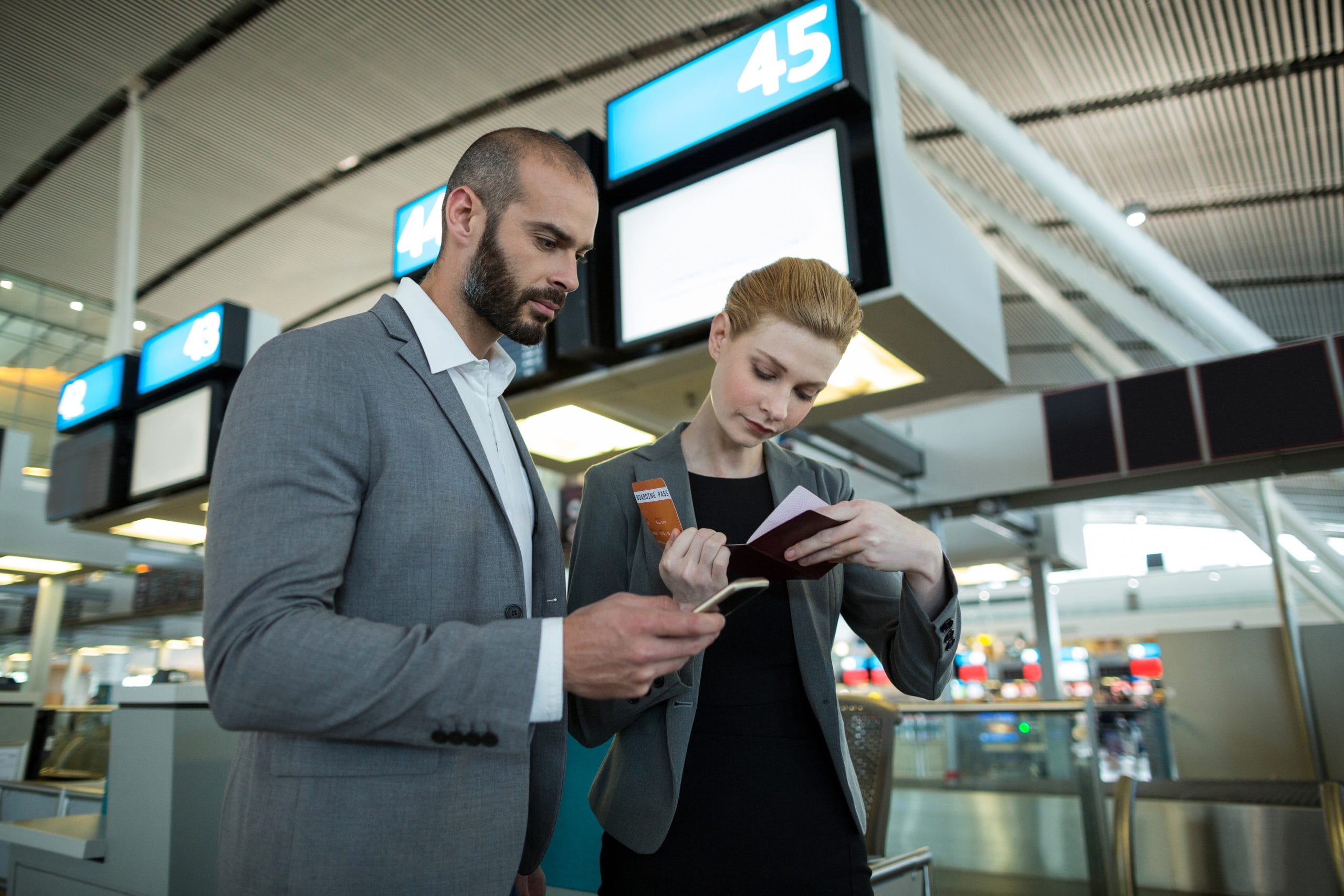
Modern air travel is much beyond getting passengers between cities. From ticketing to luggage collection at the destination, a complicated network of airline rules shapes every aspect of a trip; from booking a ticket to arriving at the destination. Whether a passenger is reserving flights to Atlanta for business or pleasure, the airline’s policies and procedures softly influence comfort, adaptability, stress levels, and general happiness.
Passengers sometimes evaluate an airline based on ticket pricing, punctuality, or service quality, but underlying every one of these factors are policies that have direct influence on passengers’ emotional experience before, during, and after their travel. Knowing how these regulations operate helps one see why some trips are effortless while others are aggravating.
This blog examines how airline policies shape the passenger experience, why they are more important than most passengers understand, and how educated passengers can negotiate them more easily.
Modern Air Travel and Airline Policies’ Function
Airline policies are guidelines that control ticketing, luggage, seating, boarding, cancelations, delays, customer care, etc. Although they are meant to preserve operational efficiency and profitability, they also help to define how travelers view an airline.
These policies influence:
- Bookable flexibility
- Charges beyond the fundamental fare
- Convenience while flying
- Stress during interruptions
- Loyalty and faith in aviation
Airlines walk a tight line between operational control and consumer pleasure in the fiercely competitive aviation market of today.
Booking Rules: First Impressions Count
The passenger experience starts well before boarding. Planning a trip depends on how easy or restrictive the booking rules are.
Restrictions on Fares and Kinds
Many airlines provide various price levels, ranging from basic economy to totally flexible tickets. Although lower prices draw in clients, strict regulations sometimes have drawbacks including:
- No modifications or refunds
- Fees for seat selection
- Restricted carry-on allowances
Though the policies were communicated, passengers who are not informed of them sometimes feel deceived.
Clarity and Openness
A clear explanation of fare terms and conditions during booking helps to clear up uncertainty and foster trust. Those who hide limitations in tiny print run the risk of ruining the passenger experience before the trip even starts.
Emotional Effects of Luggage Regulations
Few airline rules affect passengers as instantly as those for luggage.
Checked and Carry-On Permitted Values
Policies for baggage vary greatly among airlines. Some provide hefty allowances, while others levy more fees. These policies directly affect:
- Travel spending planning
- Airport worry
- Boarding effectiveness
- Passenger discontent mostly results from unforeseen baggage costs.
- Consistency on paths
Passengers generally anticipate uniform luggage rules throughout their travels. Particularly for visitors flying between several airports, inconsistencies can cause uncertainty.
Seating Guidelines and Passenger Comfort
Policies for seat allocation shape how passengers view justice and comfort considerably.
Choosing Paid Seats
Many airlines charge extra for seating options. Though this produces income possibilities, it can irritate visitors who believe extra expenses should not cover basic comfort.
Group Seating for Families
Particularly on long haul flights; policies that do not cater for groups or families traveling together can adversely affect the experience.
Seating rules specifically influence:
- Comfort
- Expected worth
- Emotional fulfillment while traveling
Boarding Procedures and Airport Experience
The experience at the airport feels either quiet or chaotic depending on boarding policies.
Priority Access and Boarding Groups
Policies that give passengers priority depending on fare category, loyalty level, or add-ons can speed up boarding but might also annoy economy class passengers.
Regular Enforcement
Regular enforcement of boarding regulations helps to prevent passenger complaints and misunderstandings. Clear and impartial boarding policies help to lower tension and raise productivity.
Policies on Change and Cancelation: When Trust Is Challenged
Like its policies on changes and cancelations, nothing exposes how strong an airline’s passenger-first strategy is.
Flexibility in Times of Doubt
Life unfolds- illness, job modifications, catastrophes. Even if their basic fares are a little bit more, airlines with flexible policies are sometimes regarded more favorably.
Fees and Sanctions
High cancelation or change penalties may transform little disturbances into expensive events. Passengers recall airlines reaction to such incidents more than they do smooth flights.
For tourists arranging trips to well known locations like booking Orlando flights, flexibility is essential; especially for families juggling itineraries and attractions.
Policies for Delay and Disruption
Though flight cancelations and delays are unavoidable; airline reaction policies shape consumers perceptions of them.
Standards for Communication
Passenger irritation during delays is much reduced by prompt updates, honest explanations, and easy rebooking possibilities.
Salary and Help
Policies on lodging, meals, and pay affect ideas of fairness. Passengers respect airlines that own up rather than shift responsibility.
Human Contact and Customer Service Policies
Policies direct airline staff’s passenger interactions, yet the experience seems personal.
Staff Empowerment
Often better passenger experiences result from airlines enabling staff members to make immediate judgments. Stiff rules might restrict conflict escalation and problem-solving.
Handling of Complaints
Well-defined policies for refunds, claims, and feedback prove to passengers that their needs are taken seriously. Brand reputation suffers from slow or dismissive answers.
Programs for Loyalty and Customer Impression
Policy-driven systems known as frequent flyer programs help to define long-term customer relationships.
Award Accessibility
Policies on mileage accrual, redemption, and expiration have an impact on apparent value. Complex regulations irritate visitors and erode loyalty.
Benefits for Tier
Clear, significant perks for dedicated customers raise happiness and inspire future reservations.
Regional Route Expectations and Policies
Passenger demands differ according to route and geography. While longer trips stress comfort, domestic tourists could give efficiency top priority.
For instance, passengers traveling booking flights to Charlotte often run across challenging connections. Policies that encourage easy transfers, rebooking support, and clear signage greatly enhance the passenger experience.
Impact of Technologies and Digital Policies
Technology-driven policies today define experiences to a large extent.
Mobile Boarding and Check-In
Digital-first policies improve ease and help to alleviate airport congestion but they must be reliable and simple.
Human Assistance Versus Self-Service
Automated systems quicken operations, yet passengers still want human help in difficult situations. Balanced policies yield the best results.
Passenger Awareness: Two Way Relationship
Though airlines influence experiences via regulations, knowledgeable passengers also contribute.
Knowing airline policies assists travelers with:
- Select the suitable tariff category.
- Steer clear of unanticipated costs
- Guide calmly through disruptions
- Set reasonable standards.
Education improves the general experience for both sides by lowering tensions.
Evolving Policies and Sector Trends
Airline regulations keep changing as a result of:
- Clients’ comments
- Amendments in law
- Contest
- International developments
Airlines that change rules to give openness, flexibility, and fairness top priority often distinguish themselves in a saturated market.
Final Thoughts: Policies Determine the Path More Than What We Believe
Airline regulations affect every element of air travel. They affect how passengers view value, justice, comfort, and confidence.
Knowing airline rules helps you to make more informed decisions and spot airlines that really give the passenger experience top priority; whether you are flying short domestic USA flights or arranging trips ending in large cities such as Chicago.
Careful policies in an industry where travel interruptions are sometimes inevitable distinguish between confidence and annoyance.